Table Of Content
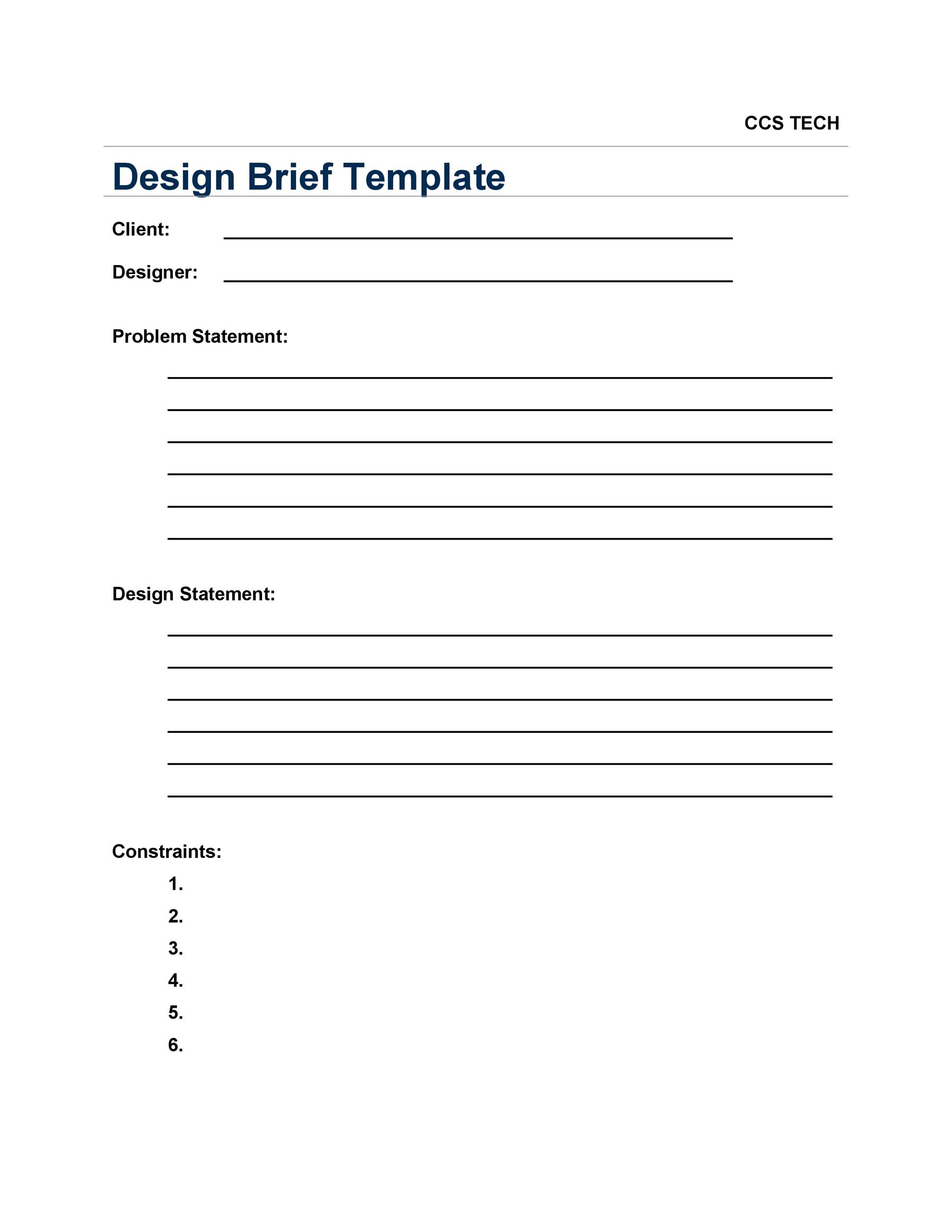
In addition, it helps you create a user experience map — a visual representation of all the features in your product, from top to bottom, as well as other aspects like colors, fonts, and images. It is essential to every design process because it helps identify problems early on so that you can provide solutions before they become big problems. A design brief is a document that outlines the goals, project scope, budget, design requirements, and other core details of a new project. It serves to align the vision of all the stakeholders on how the final deliverable should look and what purpose it should serve.
Manage Your Upcoming Design Project With ClickUp
Whatever you include in your company intro will have a massive impact on how the project will be headed. The more valuable information you put it in, the less questions will come your way later. And, remember, while the agency is a partner of yours, they are working with other companies as well. Giving them as much information as you can will make you and your creative brief stick out (in a good way). A design brief creates a living record of ideas, options, and choices for a design-centric project.
Creative brief template
The project requires a mobile application design with a better, improved user experience. Three days would be needed for the design ideation phase, two days for the exploration phase, and two days for the wireframe and design. The creation of the design and post-launch assistance would require fourteen days altogether. Didi Connect has over 50,000 clients and is one of the top public relations companies in the world.
Tips for writing your first design brief
After an overview of the project and company is complete, it’s important to explain the goals and objectives for a project. This section should focus on the design problem to solve and the steps your team will take to fix the issue. Once you’ve written out a brand overview, it’s time to give a detailed description of the design project being executed.
User Research Importance
An illustrator and designer anonymously explain how to tackle a brief infringing on your mental health - It's Nice That
An illustrator and designer anonymously explain how to tackle a brief infringing on your mental health.
Posted: Tue, 09 Oct 2018 07:00:00 GMT [source]
We streamline the entire process by assigning each customer account a dedicated creative project manager. Not only that, but we choose the best designers for the job and always ensure our customers are happy with the results. Without a style guide many questions are left unanswered when it comes to specific design elements of a brand. A design or creative brief is a document that outlines how a design project should go.
It provides crucial clarity for both clients and designers alike, making sure everyone’s on the same page about expectations. This includes how the design will benefit the target audience, how it will move the brand voice forward, and how it will fit in with the larger competitor landscape. The designer uses this information to write out the goals and objectives for the upcoming project.

Before your work begins, your creative brief should be an ever-evolving document that may change as the creative requirements continue to be scoped or tweaked. When you've finished working on the design brief and got stakeholders' approval, it's time to start working on the design project. When you create a design brief, you compile all the essential information the design team will need during the project. Any work done during the project, such as creating a design proposal, is made easy by the design brief. When a company hires a design agency for a project, they’re doing it to solve an existing problem. Maybe they want to get more leads or provide a new product offering to their customers.
6 great logo ideas that break the mould - Creative Bloq
6 great logo ideas that break the mould.
Posted: Wed, 01 Aug 2018 07:00:00 GMT [source]
Crafting a killing UX portfolio can be the first step towards a successful UX career. This is why we have created this handy guide packed with invaluable information and ideas on how to build your portfolio with no experience, including templates and examples to get you started! For your team it might be crucial to include design examples, mood boards, product designs, basically everything that will help your team during the whole project. A well-written design brief defines the problems you’re trying to solve, the business value that your product or service will provide, as well as the proposed solution. It outlines the goals, budget constraints, file formats and business objective of your project. Ideally, take a little time to create a template for your design briefs which is customized to the specific kind of work you do.
Identify your target audience
An effective design brief delegates tasks and identifies key stakeholders and decision-makers. Assigning these roles at the beginning of a design project creates accountability while eliminating the “too many cooks in the kitchen” scenario. Designers must know who has the final say to avoid adding features or taking instructions from the wrong people. A good design brief must guide rather than dictate the creative process.
This extra month will give us some wiggle room if there are any setbacks. We would like to approve the mockups and wireframes, and go through two rounds of edits before we launch. Make sure the timeline provided is realistic and feasible for what the brief is asking. If there are any budgetary or resource constraints, this is the time to lay them down. But first, let's define the concept and see what to include in your project design brief.
In most cases, brands will have some assets that designers will use in the project–unless they’re doing a complete rebrand. Maybe they already have a logo design they want to use or a specific page layout implemented in a previous design. Here are some design brief templates from popular project management tools.
Again, the more clear your brief, the less guessing your designers will have to do. One way to handle this without creating too much friction is to book a call with the client to go through the brief. Ideally, get a small stakeholder group together, including the person who will give final approval on the project if possible. Once you’ve reached this step, take the time to send over your brief to the client, at the very least for their review and verbal approval. In larger contracts or more formal projects, you may also want to have the client officially sign off on the brief before you begin work.
They get the space they need to deliver their best and make you look good. You wouldn’t start driving without knowing your destination, would you? Approving the design brief gives designers the green light to get their creative juices flowing within agreed-upon boundaries. Their graphic design brief was thorough and focused on their main objective – communicating sustainability through every visual element. They provided inspiration examples from big companies doing great work in this field as references.
However, there are several essential elements that make a great brief. Remember to use your existing assets as a valuable resource when crafting your design brief. They provide important context and inspiration, reflecting the evolution of your brand identity. Discuss both successes and failures openly with designers for better outcomes. Store all these resources in an easily accessible location like Google Docs.




No comments:
Post a Comment